Hanoi rewards travellers who leave room for places that do not announce themselves as major attractions. A quieter day might mean pairing a museum that many visitors overlook with a neighbourhood walk, a heritage site outside the Old Quarter, or a carefully chosen pause beside the city’s everyday rhythms. These are not secret in the literal sense, and they are not all empty. Their value is that they help you see Hanoi through history, craft, memory, and local geography rather than through a checklist.
What counts as a hidden gem in Hanoi?
A useful hidden gem is less about being unknown and more about offering a different kind of visit. It may sit beyond the usual Old Quarter loop, ask for more time than a quick photograph, or reveal a subject that headline itineraries skip. Look for places with a clear reason to go: a strong collection, a layered landscape, a living craft tradition, or a chance to understand how Hanoi connects to the wider Red River region.
This approach also keeps expectations realistic. Some places are popular with residents, schools, or domestic visitors even when international travellers overlook them. Go for depth rather than claiming exclusivity, and check official information before leaving because hours, access arrangements, exhibitions, and transport conditions can change.
1. Vietnam Museum of Ethnology for a wider view of Vietnam
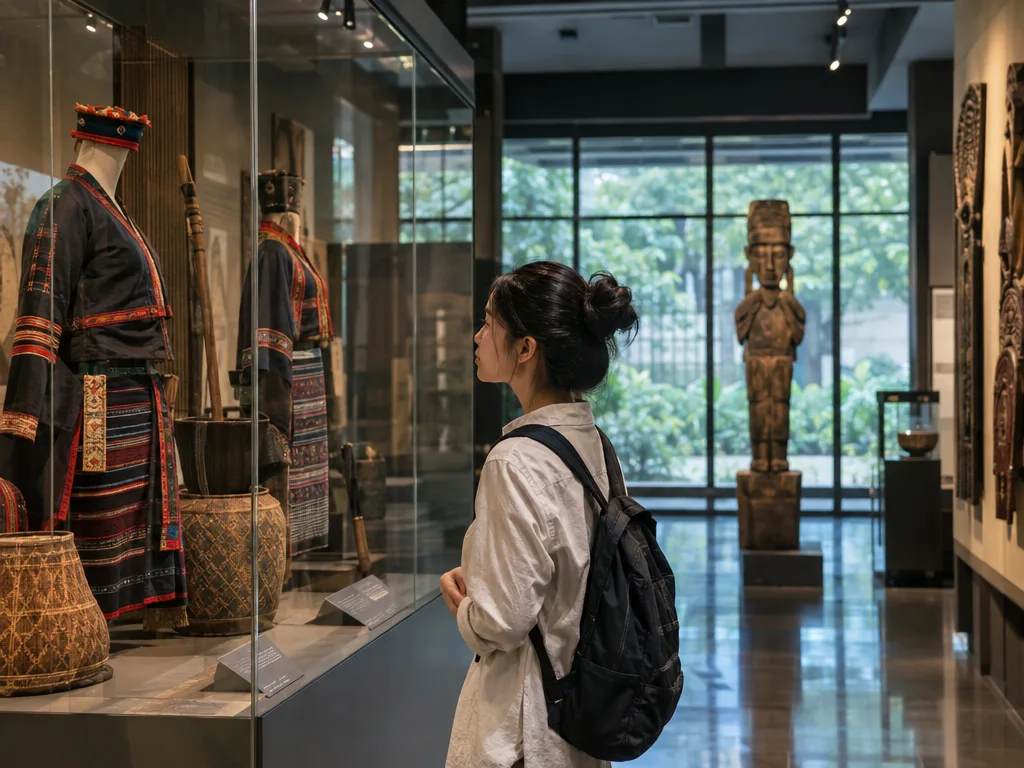
The Vietnam Museum of Ethnology in Nghia Do is a strong choice when you want a cultural visit that moves beyond Hanoi’s central monuments. Its official visitor information describes permanent and temporary exhibitions about Vietnam’s 54 ethnic groups, along with virtual exhibitions, research, publications, and educational activities. That makes it more than a display of objects: it is a place to think about architecture, textiles, belief, language, domestic life, and the many communities that make up the country.
Plan this as a focused half-day rather than a rushed stop. Begin with the indoor exhibitions, choose one or two themes to follow, and leave time for the outdoor architectural area if it is open during your visit. Families can use the educational activities as a reason to slow down, while independent travellers may prefer to read fewer labels more carefully. The museum’s published visitor information lists opening hours of 8:30 to 17:30 every day except Mondays and the New Year holiday, and gives the address as Nguyen Van Huyen Street, Nghia Do, Hanoi. Recheck before travelling.
How to make the visit more rewarding
- Choose a theme before arriving, such as homes, clothing, ritual, or regional diversity.
- Allow extra time for the sections that interest you instead of trying to cover every label.
- Ask whether temporary displays or educational activities are running on your date.
- Keep the visit respectful: cultural objects are not props, and some displays may carry religious or ceremonial meaning.
2. Vietnam National Museum of History for a compact historical deep dive
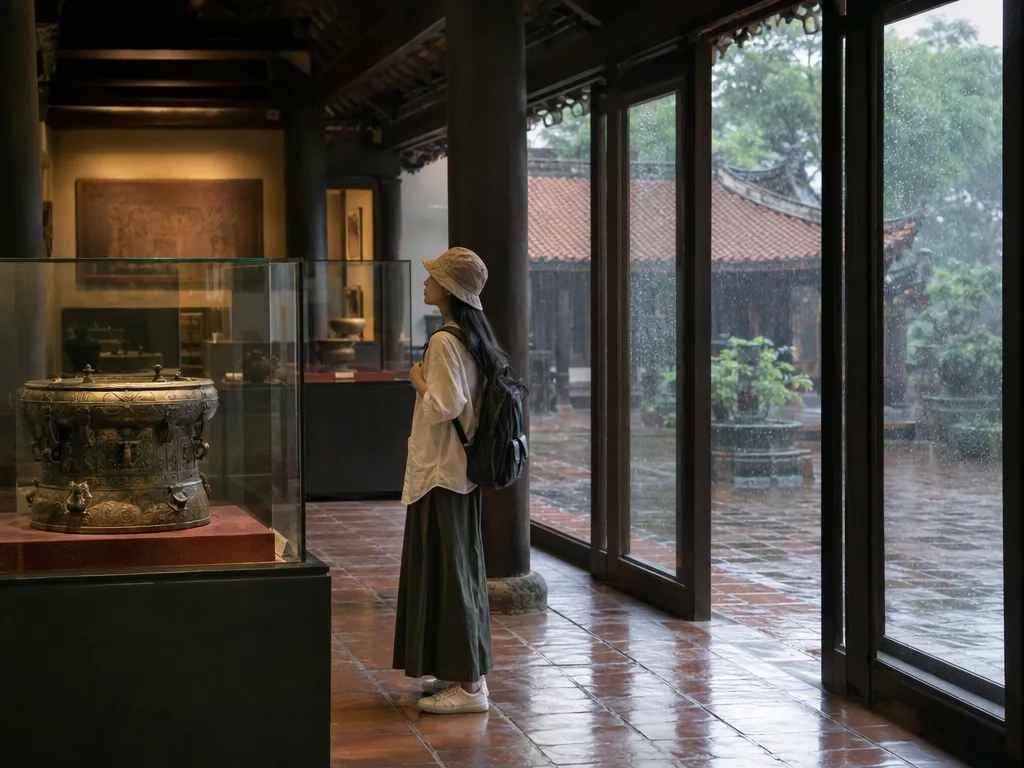
For a central cultural stop with more historical weight than its footprint suggests, consider the Vietnam National Museum of History. The museum’s official English site presents permanent and special exhibitions, archaeology resources, national treasures, and visitor information across its locations. It is a useful counterpoint to wandering Hanoi by atmosphere alone: the collections provide a chronological and material context for the city and the country.
The museum lists morning visiting from 8:00 to 12:00 and afternoon visiting from 13:30 to 17:00, with Monday closed, and gives addresses at No. 1 Trang Tien and No. 216 Tran Quang Khai in Hoan Kiem. Because the site publishes more than one address, check which building or exhibition you intend to visit before setting out. A practical route is to choose one location as your anchor, then add a nearby walk or café rather than trying to combine too many unrelated stops.
What to look for
Do not judge the museum by how quickly you can walk through it. Look for the relationship between everyday materials and major historical change: ceramics, metalwork, sculpture, documents, and objects connected to belief or power. If you enjoy archaeology, use the national-treasure and exhibition sections on the official site to preview a subject. If you prefer a lighter visit, choose a single period and treat the rest as a reason to return.
3. Co Loa as a heritage detour beyond central Hanoi
Co Loa offers a different scale of discovery: instead of rooms filled with objects, you encounter a historical landscape shaped by settlement, memory, and layers of defence. It is a good option for travellers who want to leave the centre and understand that Hanoi’s story is connected to places beyond the urban core. The experience works best when treated as a heritage outing, not as a fast photo stop.
Because access and local conditions can vary, confirm the current route, site access, and any festival or maintenance arrangements before going. Build in generous travel time and keep the plan flexible. You may find that the most rewarding part is moving between the principal heritage points, observing the surrounding streets and village atmosphere, and noticing how an old site sits within a living community.
Planning a considerate visit
- Start early enough to avoid turning the outing into a pressured return journey.
- Wear comfortable shoes and bring water, especially in hot or humid weather.
- Follow signs and local guidance around religious or commemorative spaces.
- Buy food or small goods from local businesses when appropriate, without treating residents’ routines as a performance.
4. Long Bien and the riverside edge of the city
Long Bien is often photographed, but the wider riverside landscape can still feel like a hidden layer of Hanoi when explored patiently. The bridge, approaches, gardens, paths, and views toward the Red River create a different sense of the city from the dense central streets. The point is not to force a single “secret viewpoint”; it is to pay attention to how infrastructure, agriculture, traffic, and neighbourhood life meet at the edge of the urban centre.
Choose daylight, keep clear of traffic, and use only routes that are visibly open and safe. Conditions can change after rain or during construction. A flexible plan might pair an early riverside look with breakfast, then continue toward another cultural stop. Avoid blocking working paths or photographing people closely without permission. The river landscape is part of daily life, not a stage set arranged for visitors.
5. A quieter museum-and-neighbourhood day in Nghia Do
Nghia Do can anchor a slower day because it gives you a clear cultural destination without requiring a packed central itinerary. Start at the Vietnam Museum of Ethnology, then leave time for a simple meal, a calm street walk, or a nearby public-space pause. The goal is not to collect five attractions. It is to let one substantial visit change the way you notice the neighbourhood around it.
This format suits travellers who find the Old Quarter intense, families who need breaks between activities, and repeat visitors looking for a new area. Use a map to confirm walking conditions, but avoid designing the day so tightly that a closed gate or tired group ruins it. If the museum is your only fixed point, the rest of the day can respond to weather, energy, and what you discover locally.
6. Small cultural spaces found through careful wandering
Some of Hanoi’s most memorable discoveries are not destinations you can confidently list years in advance. They may be a small exhibition, a community activity, a book-filled room, a craft demonstration, or a courtyard that is open only at certain times. The responsible way to find them is to use current local listings, official venue pages, and recommendations from people who actually know the area, then verify access before making a special trip.
Do not assume that a low-profile place welcomes unlimited visitors. Ask before taking photographs, respect quiet areas, and be prepared to leave if a space is private, full, or hosting a community activity. A hidden gem becomes less valuable when visitors overwhelm the qualities that made it special.
How to choose the right hidden gem for your travel style
Match the place to the kind of day you want, not just to a list of names. History-minded travellers may prefer the National Museum of History as a concentrated introduction, while anyone interested in cultural diversity can give the Ethnology Museum more time. Co Loa suits visitors who enjoy an open-air heritage setting and do not mind a longer outing. Long Bien and the riverside edge work better for people who like movement, changing views, and ordinary city scenes.
Think about practical energy as well. A museum gives you shade, restrooms, and a clear structure; a heritage landscape asks for more walking and weather tolerance. If you are travelling with children or older companions, make the day easier by choosing one main destination, planning a meal nearby, and leaving a simple return option. For solo travellers, a smaller cultural space or neighbourhood wander may be more satisfying than a long list of formal sights. The hidden-gem label should help you choose well, not pressure you into going everywhere.
How to build a hidden-gems day without overplanning
- Pick one anchor with reliable official visitor information.
- Add one nearby walk or meal, not a second long-distance excursion by default.
- Check the day’s opening status, weather, and transport options shortly before leaving.
- Carry water, small payment options, sun protection, and a charged phone.
- Keep a fallback that works in rain or heat, such as a museum or café.
- Leave space for ordinary streets and unplanned pauses.
Responsible discovery matters
Hanoi’s quieter places are often connected to living communities, working streets, religious traditions, or fragile heritage. Travel lightly: keep voices down where appropriate, dress suitably for sacred spaces, do not touch displays, and ask permission before photographing people or private homes. Support local businesses without bargaining aggressively over small amounts, and take rubbish with you when facilities are limited.
The best hidden-gem itinerary is not the one with the most stops. It is the one that gives you enough time to understand why a place matters, while leaving it comfortable for the people who use it every day.
Final takeaway
For a richer day beyond Hanoi’s familiar highlights, begin with a well-documented cultural institution, then choose one heritage landscape or neighbourhood pause. The Vietnam Museum of Ethnology and Vietnam National Museum of History offer dependable ways into Vietnam’s wider story, while Co Loa and the Red River edge invite a slower look at the city’s historical geography. Verify practical details, travel with curiosity, and let the city remain a living place rather than a collection of secrets to collect.
JOIN THE CONVERSATION
Comments (0)
No comments yet. Be the first to share a thought.