Hanoi rewards visitors who leave a little room in the itinerary. Beyond the most photographed streets of the Old Quarter, the city opens into lanes beside railway tracks, river islands, old residential quarters, creative walls, and cultural spaces where the pace feels more everyday than touristic. These hidden gems in Hanoi are not secret in the literal sense, and some are becoming better known, but they still offer a more textured way to experience the capital.
This guide brings together seven places and types of places for travelers who want a quieter day without leaving Hanoi. You will find ideas for slow walks, short visits, photo stops, and culturally respectful detours. Treat the route as a menu rather than a checklist: choose two or three areas, allow time between them, and let the city’s ordinary details do some of the work.
1. Long Bien’s river-edge lanes and island atmosphere
Long Bien is often reduced to its famous bridge, but the more rewarding experience is to look beyond the steel structure. On and around the river side, Hanoi feels wider and less compressed. Roads give way to cultivated plots, low houses, working paths, and views that make the relationship between the city and the Red River easier to understand.
What makes it feel hidden
The appeal is not a single monument. It is the contrast: a historic urban bridge, a broad river landscape, and pockets of agriculture within reach of central Hanoi. The scenery changes with the season, weather, and water level, so the same walk can feel different on another morning. Go for observation rather than a dramatic attraction, and you are more likely to notice gardeners, bicycle traffic, changing light, and the practical rhythm of the riverside.
Wear shoes that can handle uneven surfaces and avoid treating working paths as a photo studio. A short exploratory walk is usually enough; conditions can change, and some tracks are not designed for visitors. If you want a more structured stroll afterward, pair the area with the site’s Hanoi walking routes for curious travellers rather than trying to cover every riverside lane in one outing.
2. Phuc Tan’s riverside public-art corridor
Phuc Tan is a useful reminder that Hanoi’s creative life does not only happen inside formal galleries. Along a stretch near the Red River, large-scale public artworks have turned an overlooked urban edge into an informal open-air viewing route. The setting matters as much as the pieces: rough walls, narrow approaches, older buildings, and the river atmosphere create a very different backdrop from a polished exhibition hall.
How to visit thoughtfully
Come in daylight, keep the visit low-key, and remember that the art sits inside a lived-in neighborhood. Do not block entrances or photograph residents without permission. The corridor works best as one stop in a broader walk, especially if you are interested in how Hanoi reuses neglected spaces. For more ideas in the same spirit, browse the site’s Art & Creative Spaces category.
Allow time to look at the surrounding street rather than rushing from one artwork to the next. You may find that the most memorable details are the edges: old masonry, improvised repairs, plants growing through gaps, and the way the neighborhood opens toward the river. Public art is also a good reason to revisit an area that a standard sightseeing route might skip.
3. The Vietnam Museum of Ethnology for a deeper cultural pause
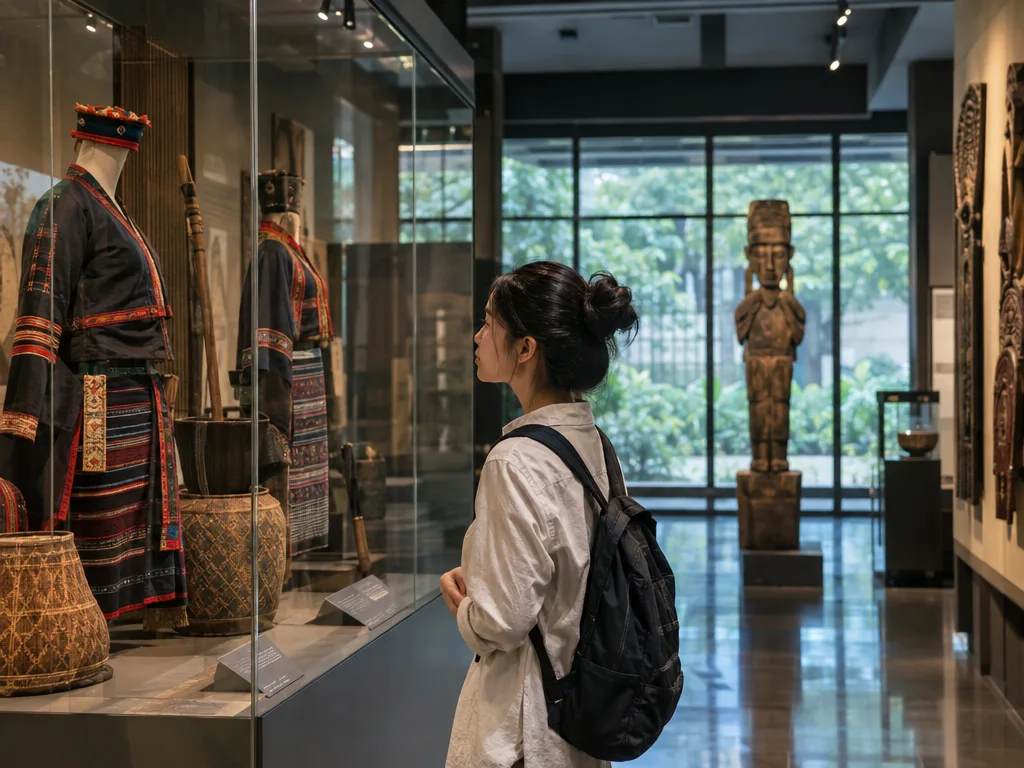
The Vietnam Museum of Ethnology is not an unknown attraction, but it remains one of Hanoi’s best answers to the question, “What should I do after the usual central sights?” Its official visitor information describes permanent, temporary, and virtual exhibitions, along with educational activities and performances. That range makes it more than a quick indoor stop: it is a place to spend a thoughtful part of the day learning about Vietnam’s many ethnic communities.
Plan the visit around the museum’s strengths
The museum’s official site lists operating hours of 8:30 a.m. to 5:30 p.m. every day except Monday and the New Year holiday, and gives its address as Nguyen Van Huyen Street in Nghia Do. Because schedules and access conditions can change, check the official visitor information before setting out. The museum also lists a general admission fee, but confirm the current amount directly rather than relying on an old guide.
Do not try to absorb every display quickly. Choose a theme, read the context, and leave time for the outdoor spaces if they are open during your visit. This is an especially good hidden gem in Hanoi for families, repeat visitors, and anyone who wants cultural understanding rather than another view of the same central streets. Afterward, compare notes with the site’s guide to everyday life in Hanoi.
4. Truc Bach’s quieter edges and small-scale city life
West Lake gets most of the attention, but Truc Bach offers a more compact and intimate way to experience Hanoi beside water. The neighborhood is easy to approach from the central districts, yet its smaller lake, residential lanes, food businesses, and changing mix of old and new buildings create a different mood from the big lake promenade.
A flexible walking idea
Start with a slow circuit near the water, then turn into one or two side streets instead of staying on the widest road. Look for balconies, family-run businesses, narrow house fronts, and the small transitions between residential and commercial space. The point is not to find one “must-see” landmark; it is to understand how a neighborhood works when you are not moving between major attractions.
Truc Bach is also a practical place to pause for a drink or a simple meal, but choose a business based on what is open and busy with local customers rather than relying on a fixed list of venues. If you enjoy this kind of neighborhood-led exploration, the Local Neighborhoods section offers a natural next step.
5. Van Mieu in the late afternoon or evening
The Temple of Literature is one of Hanoi’s major heritage sites, so calling it a hidden gem requires a little qualification. The less obvious experience is to visit outside the most hurried sightseeing window and pay attention to the site as a place of learning, architecture, and continuing cultural programming rather than simply taking a gate photo.
Use the official visitor information
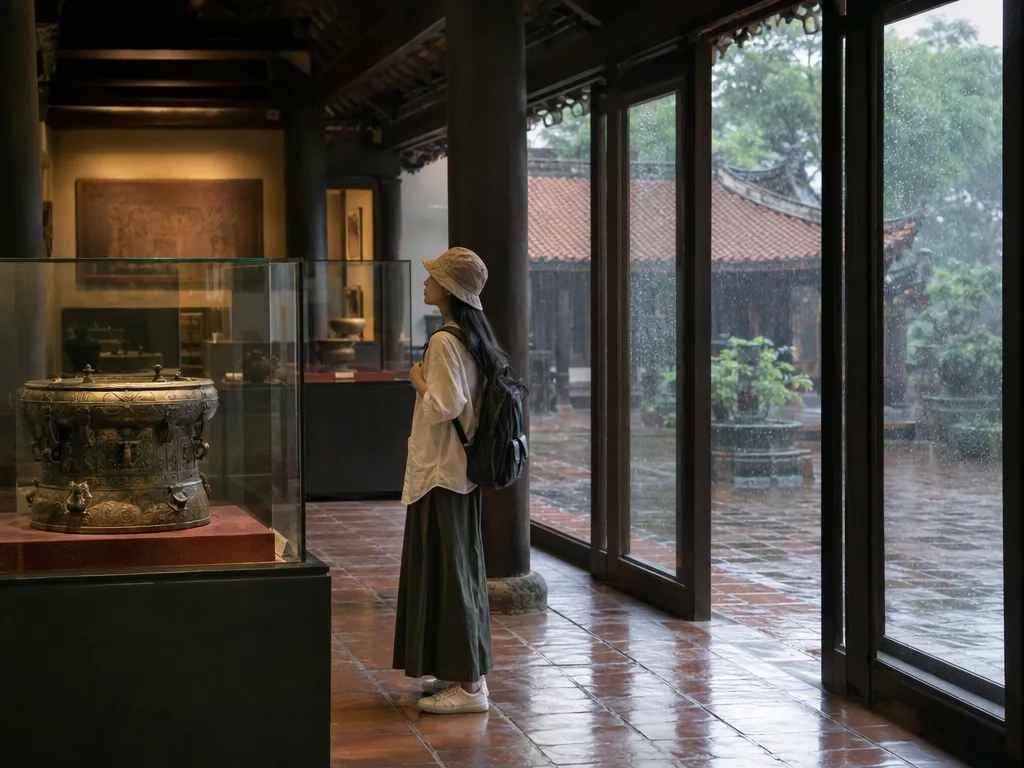
The official Van Mieu–Quoc Tu Giam website identifies the complex as a special national historical site. It lists regular opening hours of 8:00 a.m. to 5:00 p.m. and describes an evening program on Wednesday, Saturday, and Sunday from 6:00 p.m. to 10:00 p.m. It also provides current ticket information, entrance details, and descriptions of areas such as the Doctoral Stelae Garden and Thai Hoc House. Check that official page before visiting because programs, prices, and access arrangements can change.
Go slowly through the courtyards, read the explanations, and notice how the complex changes as the light softens. A quieter visit here pairs well with a walk through nearby streets rather than a rushed transfer to another landmark. For a broader route that balances famous places with local texture, see this walk through Hanoi’s landmarks and local life.
6. Kim Lien and the city’s village-like pockets
Some of Hanoi’s most interesting detours are not attractions at all but small pockets where the capital still feels surprisingly village-like. Kim Lien and similar residential areas can reveal a slower, more domestic side of the city: narrow lanes, communal spaces, modest homes, street-side conversations, and daily errands happening close to older landmarks.
How to explore without intruding
Keep your route public and your behavior unhurried. Walk rather than stopping in the middle of a lane, ask before photographing people, and do not enter courtyards or homes because a doorway looks picturesque. A respectful visitor is curious about patterns of life, not entitled to document every private moment.
This kind of detour is best for travelers who have already seen the headline sights and want a better sense of scale. You may not collect a perfect photograph, but you will notice how schools, shrines, food stalls, homes, and traffic share the same few streets. For more practical context on moving through Hanoi comfortably, read these small Hanoi habits.
7. Quang Ba and the early-morning flower trade
For an early start, Quang Ba’s flower-market area offers a different kind of hidden gem: a working market shaped by supply, timing, and local demand rather than sightseeing. The experience is strongest before the day becomes hot and busy, when flowers, vendors, deliveries, and buyers create a concentrated burst of movement.
What to expect
This is a wholesale environment, not a staged attraction. Conditions, activity, and the best time to visit can vary, so treat any timing as a planning estimate and confirm locally. Wear practical shoes, keep bags close without obstructing anyone, and ask before making close-up portraits. If the market is too busy for you, simply walk the surrounding streets and observe how the trade connects to the city’s cafés, homes, celebrations, and small businesses.
Quang Ba works particularly well as the first stop in a day that continues through Truc Bach or West Lake. It also fits the slower, sensory approach described in this morning in Hanoi guide.
How to build your own hidden-gems day
Do not attempt all seven places in one day. Hanoi’s traffic, heat, weather, and street-level distractions make a shorter route more enjoyable. Choose one theme and two nearby clusters.
- River and creative edges: combine Long Bien’s riverside atmosphere with Phuc Tan, allowing extra time for uneven lanes and photography etiquette.
- Cultural depth: visit the Vietnam Museum of Ethnology, then spend the rest of the day in a nearby neighborhood rather than crossing the city repeatedly.
- Water and local life: start around Truc Bach and continue toward West Lake if you still have energy.
- Heritage and quiet streets: visit Van Mieu when you can give it unhurried attention, then explore nearby lanes on foot.
- Early riser’s route: begin around Quang Ba, take a break, and continue with a neighborhood walk later in the morning.
Before leaving, check official venue pages for opening hours, ticket rules, and special programs. For outdoor areas, carry water, protect yourself from the sun, and be ready to change plans after rain. Hanoi’s hidden gems are valuable precisely because they are working places, cultural spaces, and ordinary neighborhoods—not attractions frozen for visitors.
Final thoughts
The best hidden gems in Hanoi are often found by changing the pace rather than chasing a secret address. A river path, a museum courtyard, a neighborhood lake, an open-air artwork, or a market at the right hour can reveal more of the city than another rushed landmark. Choose a small route, stay observant, and leave room for Hanoi to surprise you between the planned stops.
JOIN THE CONVERSATION
Comments (0)
No comments yet. Be the first to share a thought.